
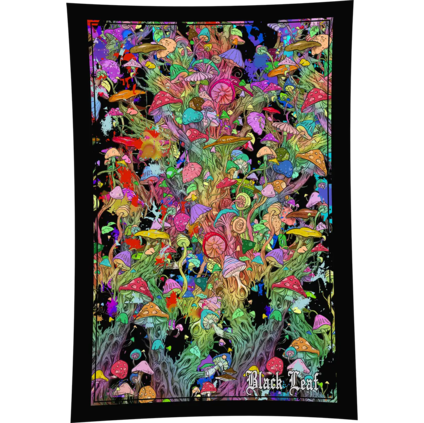
- PU 1pc
- 1500x2200mm
- 100% Cotton
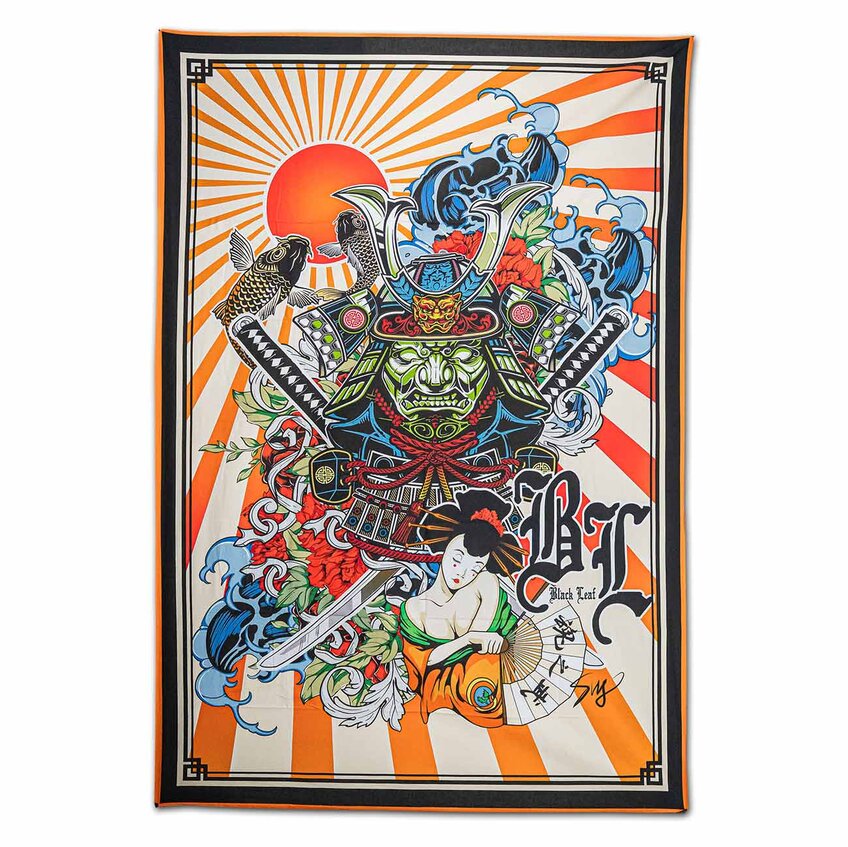
- PU 1pc
- 1500x2200mm
- 100% Cotton
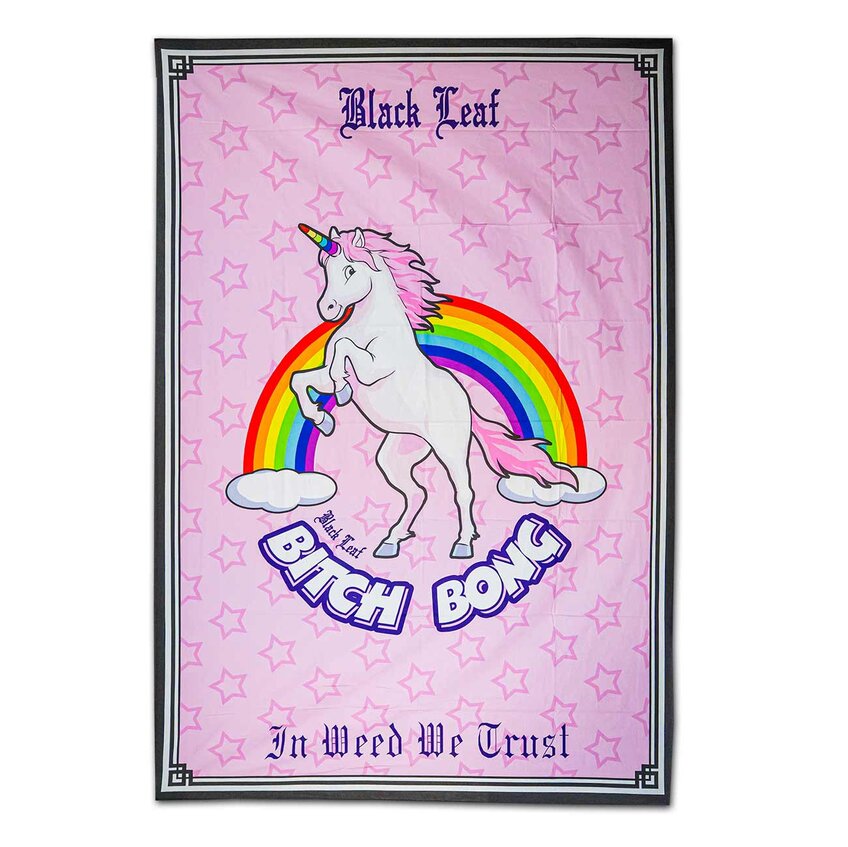
- PU 1pc
- 1500x2200mm
- 100% Cotton
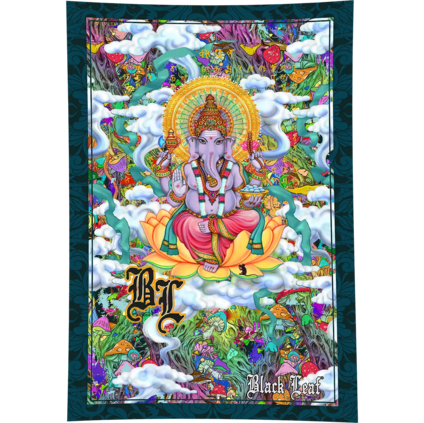
- PU 1pc
- 1500x2200mm
- 100% Cotton
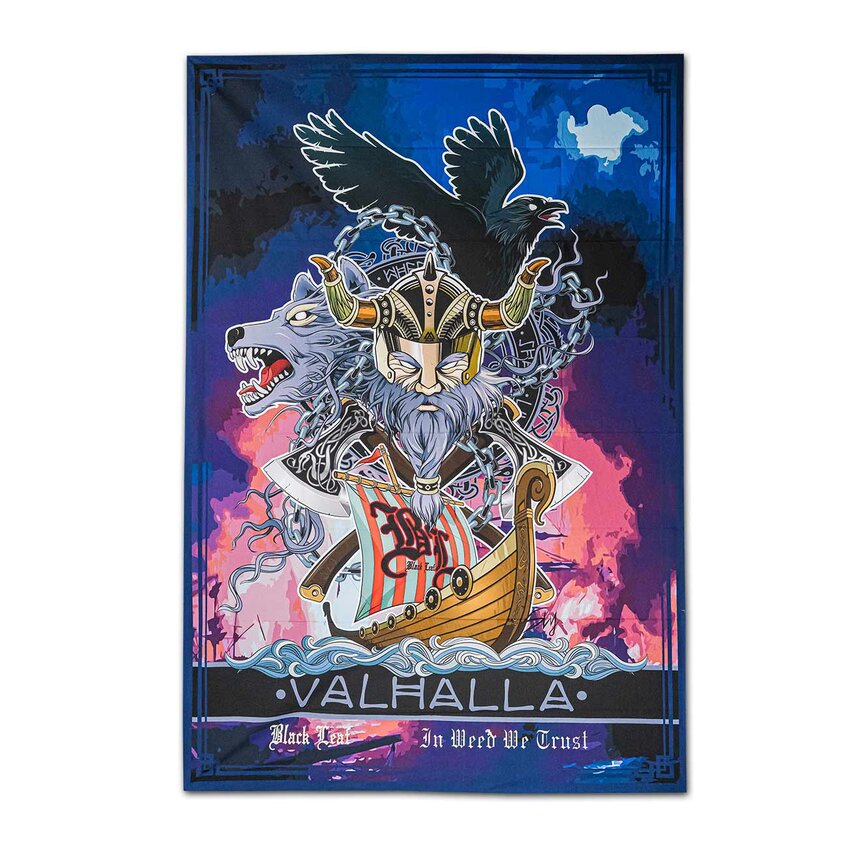
- PU 1pc
- 1500x2200mm
- 100% Cotton
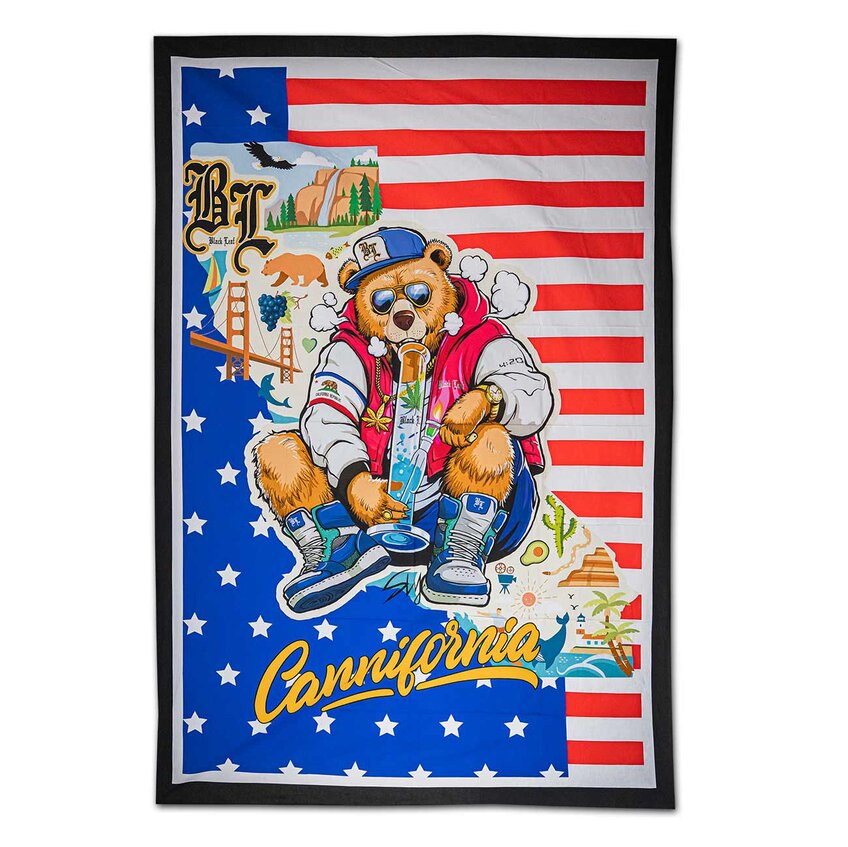
- PU 1pc
- 1500x2200mm
- 100% Cotton
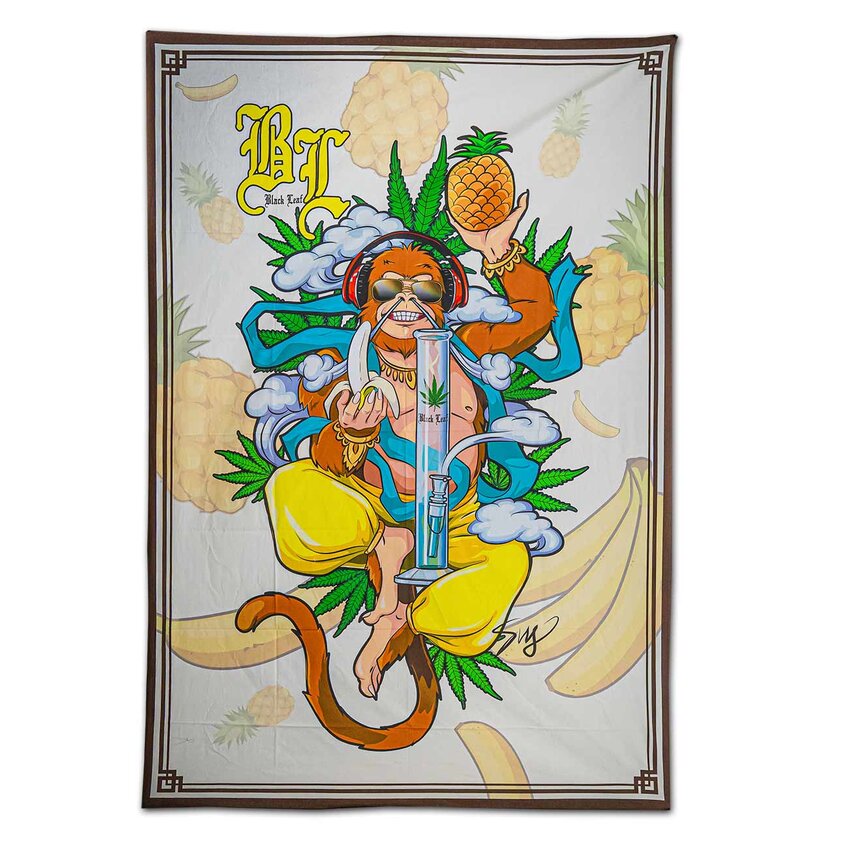
- PU 1pc
- 1500x2200mm
- 100% Cotton
Why you might
still be missing a wall hanging!
First things first: What is a wall
hanging, anyway?
Tapestries are printed fabrics in various sizes, colors, and
designs. High-quality wall hangings are mostly made of cotton. This material is
not only easy to care for and durable but also skin-friendly. For centuries, it
has been a tradition in countries like India to adorn walls with intricately
woven tapestries. The fabrics serve, as an alternative to posters and picture
frames, as decoration and create a cozy atmosphere for smoking and chilling in
the living space.
What can you use your wall hanging
for? There are no limits for you!
Classically, you can of course hang your wall hanging as decor on
your wall. It also looks nice if you use it as a throw or as a bedspread for
your bed. Even as a tablecloth, it looks great! Especially for the Boho decor
style, this type of decoration fits perfectly. But not only at home can you
quickly and easily create a special atmosphere - you can also use the
decorative cloths as a beach towel, take them to your next picnic, or hang them
up at a Goa party. At festivals, they are true all-rounders: Hang them up as
sun protection or use them as a blanket. And they even look good!
What does a wall hanging do?
You already know that wall hangings in various designs create a special atmosphere. But what else happens when you hang them up?
• The room feels warmer and calmer.
• You feel safe and secure.
• The wall decor above your bed can invite you to dream and fantasize. • Indian
wall hangings create an oriental atmosphere and focus, which is great for yoga.
• Improvement of room acoustics through the material of the wall hanging.
Everyone as they like!
Everyone has different tastes. And that's a good thing. So that you can find the right wall tapestry that creates an atmosphere to your liking, there are wall tapestries in different colors and patterns.
Very popular are mandala wall hangings, as these colorful drapes
have a calming effect on many. But symbols from Buddhism and Celtic signs are
also frequently printed on the fabric. The elephant, known as a power animal,
the Om symbol, and the flower of life are also frequently found, as the meaning
behind these symbols convinces many people.
Psychedelic patterns with bright colors or mushrooms are becoming increasingly
popular. Hippies, on the other hand, are delighted with Rasta vibes, cannabis
leaves, and the classic peace sign.
What is a batik cloth?
Batik is one of the ancient dyeing techniques and is also called wax-resist
dyeing. In this technique, wax is applied to the uncolored natural material
before dyeing. The areas covered with wax are not supposed to be dyed during
the coloring process. There are also batik-like techniques where no wax is
used. Instead, the natural materials to be dyed are folded or tied so that
certain parts do not come into contact with the dye during the coloring process.
Batik fabrics with unique color and pattern combinations are created!
Where can you buy your perfect wall
tapestry?
Well, best with us!
That 100% best cotton is used for our wall hangings is a matter of
course for us! This makes our wall hangings light- and wash-resistant (at 40°).
Additionally, all of our numerous wall hangings are drip and sweat resistant,
making them loyal companions on beach, picnic, and festival adventures. Take a
look at our wide variety of designs and let yourself be enchanted!
Our advantages at a glance:
• Wall hangings in sizes 140 x 220 cm to 240 x 220 cm.
• 100% best cotton. • Large variety of designs. • Light and wash-resistant
colors. • Robust against drops and sweat.
That's all well and good, but how do
you attach these things?
You have several options:
Nails/push pins:
For smaller and lighter wall hangings, a few nails or pushpins are often enough to securely attach them to the wall. For this, you simply drive the nails or pushpins through the corners of the decorative fabric into the wall. For more security, you can of course use as many nails as you like.
Wall cloth clips:
If you are afraid of damaging your beloved batik cloth with nails,
you can also use clips. Wall tapestry clips consist of a clip into which you
insert the fabric cloth, and a hook or a loop. You hang these on a nail that
you have driven through the wallpaper. Alternatively, you can also sew eyelets
onto your cloth and hang them on the nails.
Lath frame:
If it is important to you that your wall decoration is attached without wrinkles, you should staple your fabric to a lath frame. This way, the fabric is stretched smoothly over the wooden pieces and can be hung up. This is also a good solution if your fabric is too heavy for nails.
Pushpins:
If you have textured wallpaper in your room, you can also attach your wall hanging to it with pushpins. To do this, you carefully push the pins through the wallpaper without touching the wall behind it. You also poke the needle through your fabric cloth so that it is carried by the pins. This is only recommended for lightweight fabrics, as the wallpaper would not be able to support a heavy material. At the top edge of the fabric, you need to use a pin approximately every 4 cm.
Poster strips:
Lighter wall hangings can be optimally attached with poster strips. The strips are double-sided, so you just need to stick a few strips to your wallpaper and press your hanging onto the adhesive surface. The strips often have a weight limit, so please pay attention to this. Instead of poster strips, you can also use the adhesive tapes that come with the fly screen.