
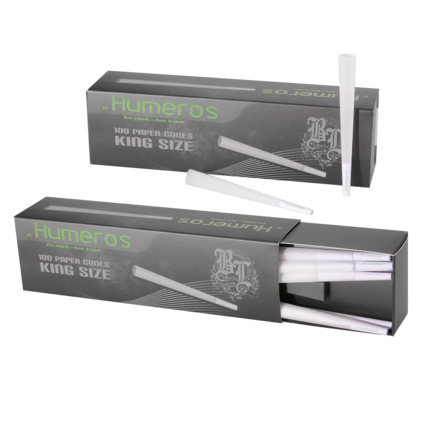
- PU 1x100pc
- L 109mm
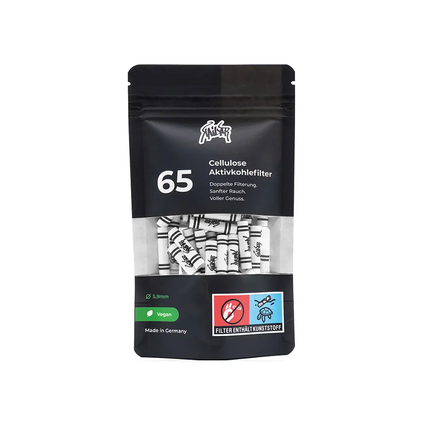
- PU 1x65pc
- L 28mm Ø 5,9mm
- Made in Germany
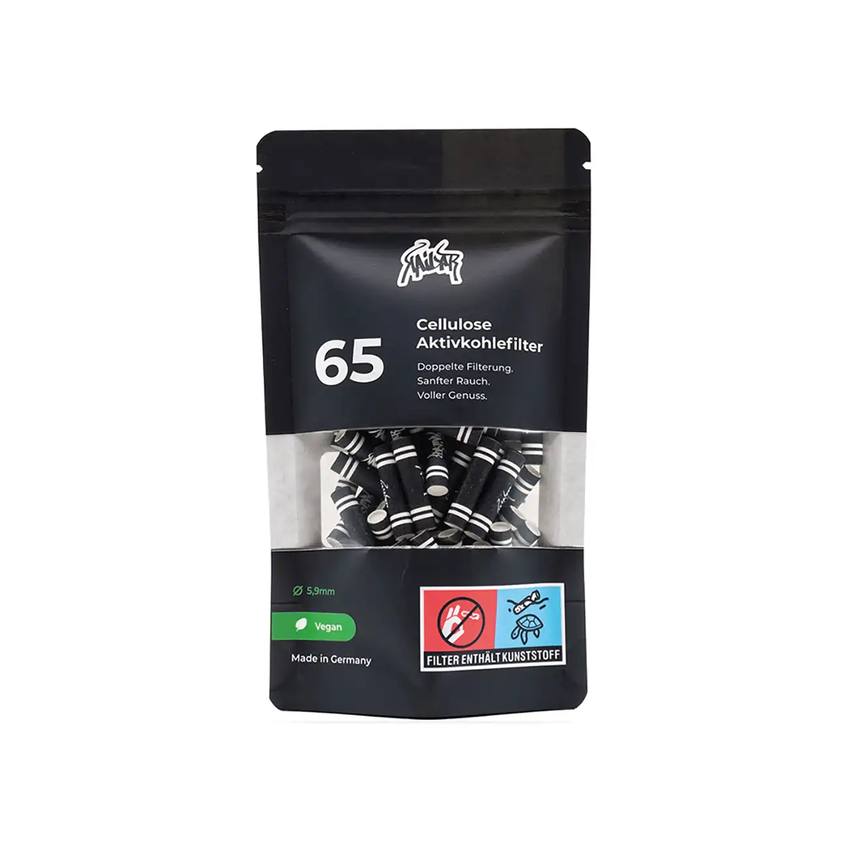
- PU 1x65pc
- L 28mm Ø 5,9mm
- Made in Germany

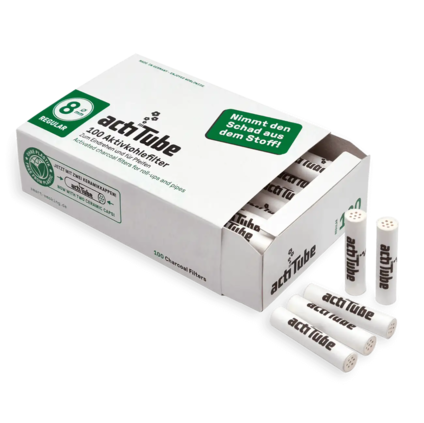

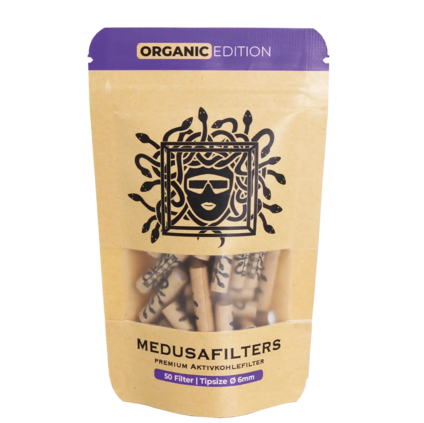
- PU 1x50pc in a Bag
- L 25mm Ø 6mm
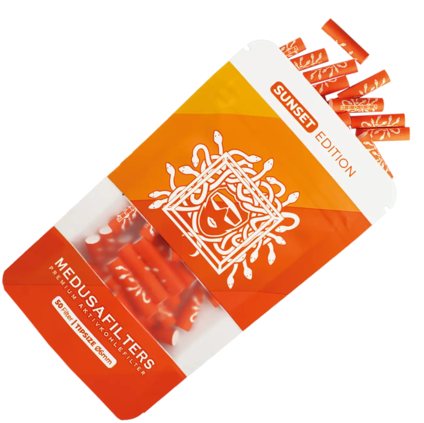
- PU 1x50pc in a Bag
- L 25mm Ø 6mm
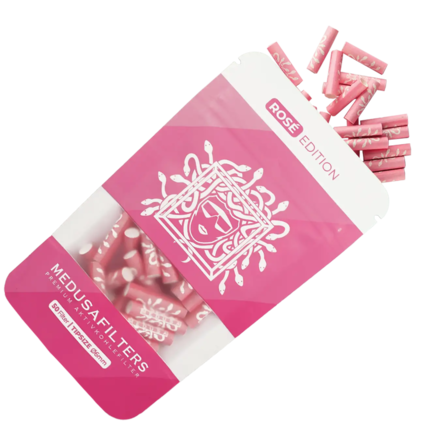
- PU 1x50pc in a Bag
- L 25mm Ø 6mm
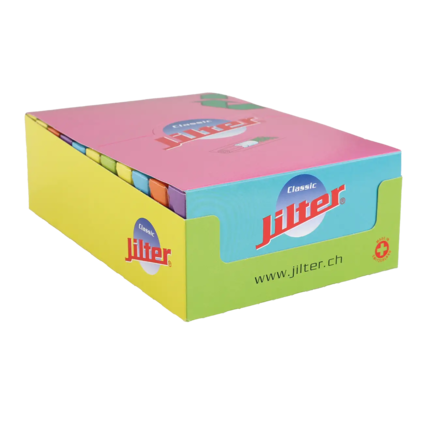
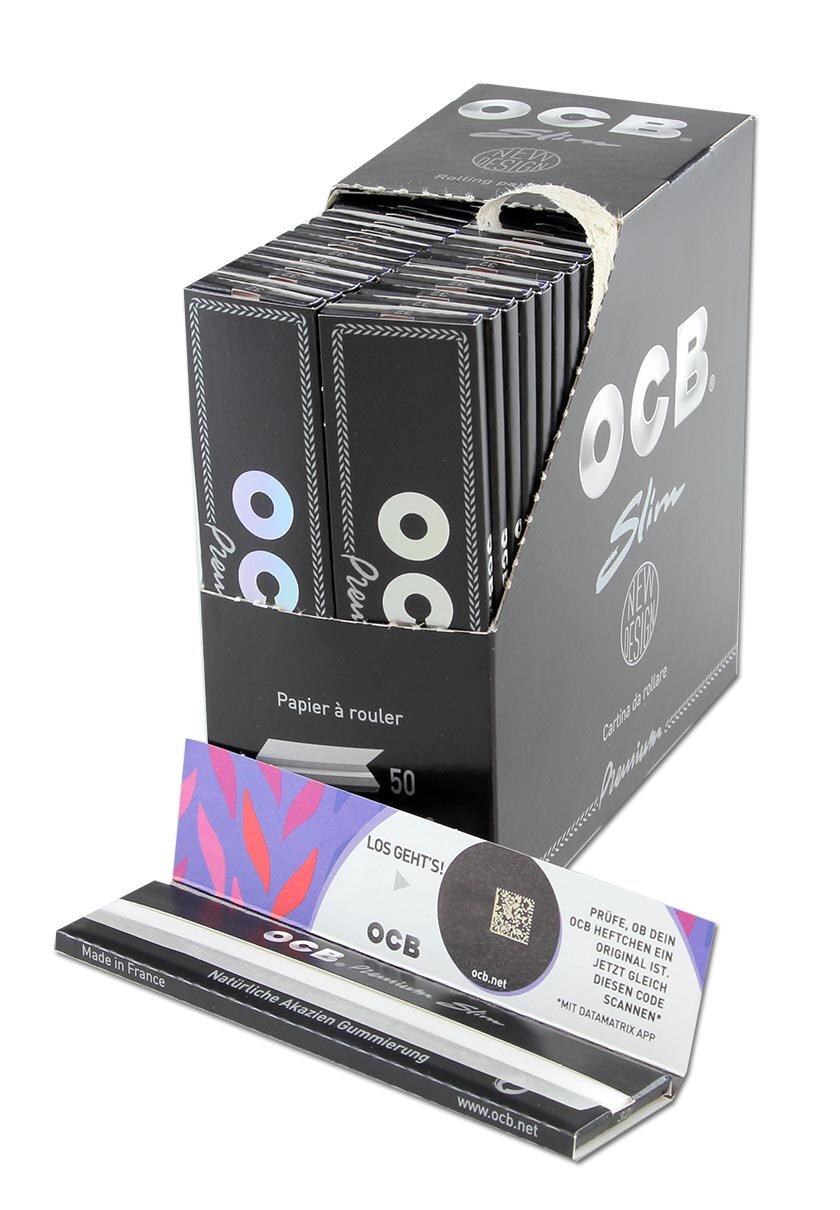
- PU 50Booklets 108x45mm
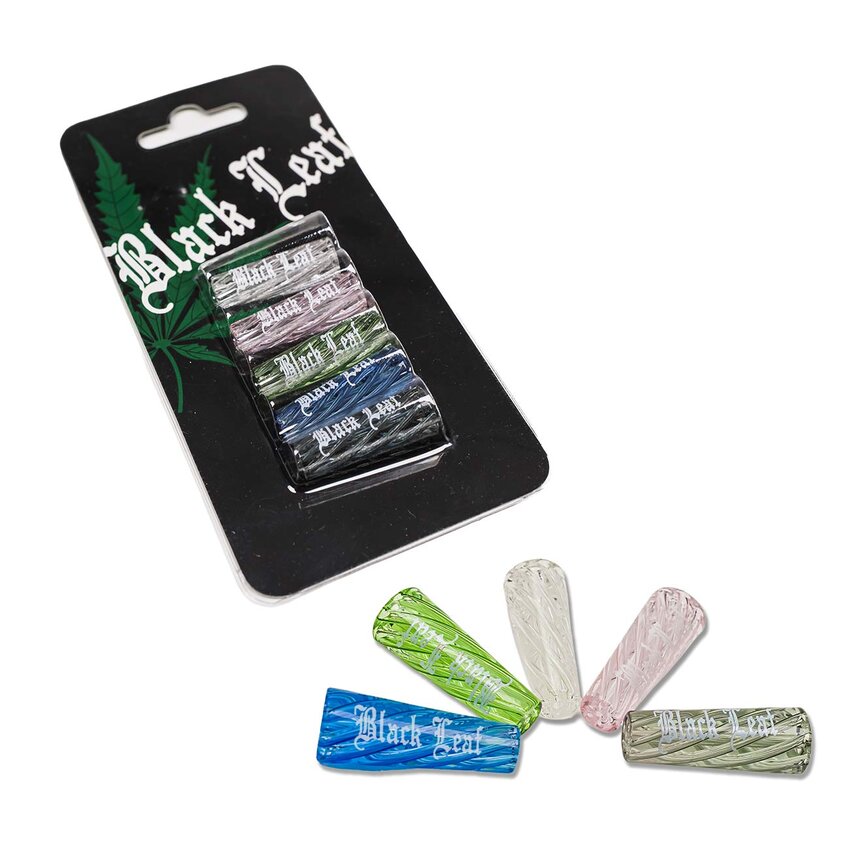
- PU 1x5pc
- Ø 8-12mm
- L 30mm
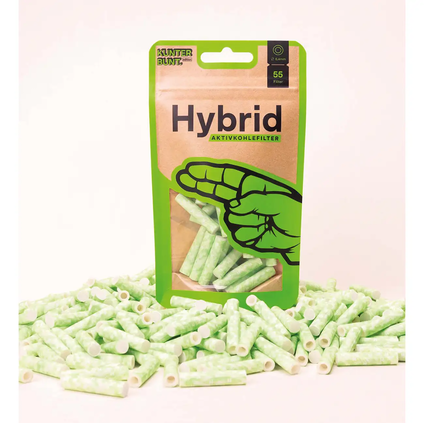
- PU 1x55pc Bag
- L 30mm
- Ø 6,4mm
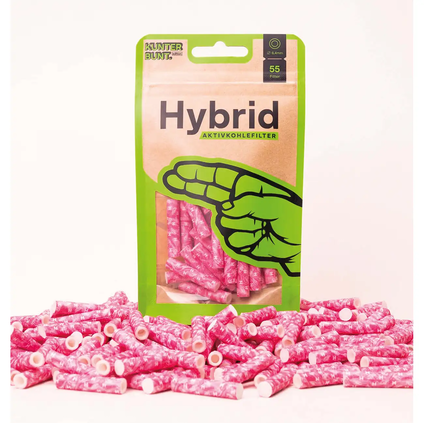
- PU 1x55pc Bag
- L 30mm
- Ø 6,4mm
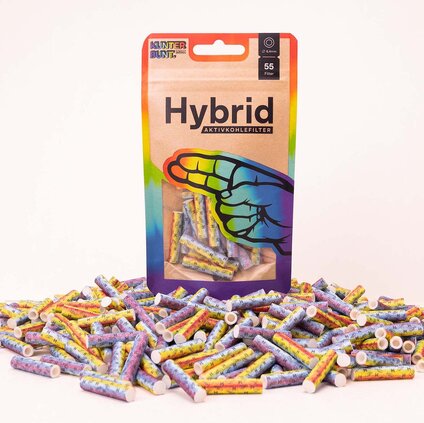
- PU 1x55pc Bag
- L 30mm
- Ø 6,4mm
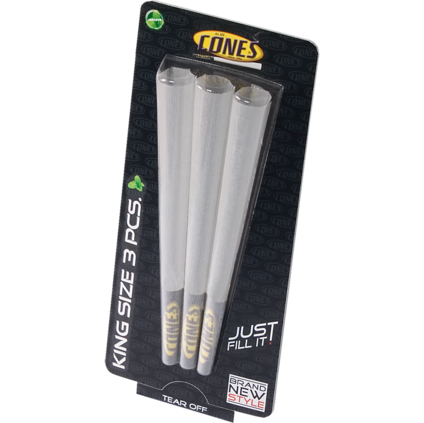
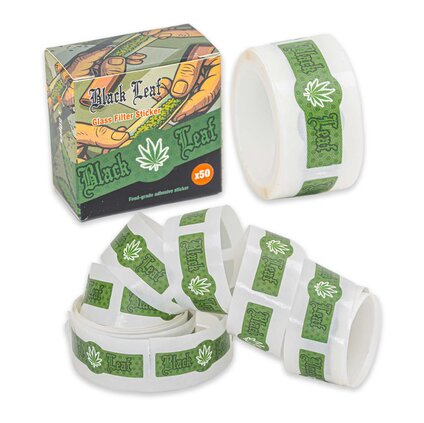
- PU 1x50pc in a Box

- PU 10x50pc
- Ø 6mm
- L 27mm
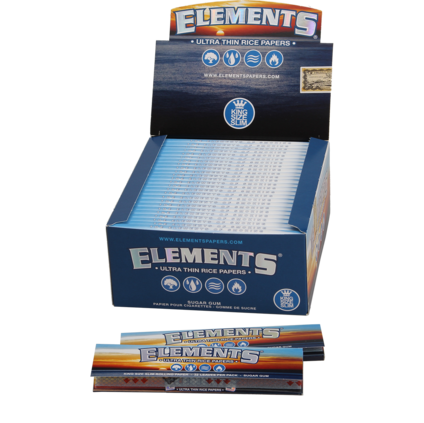
- PU 50Booklets à 32Papers
- 109x43mm
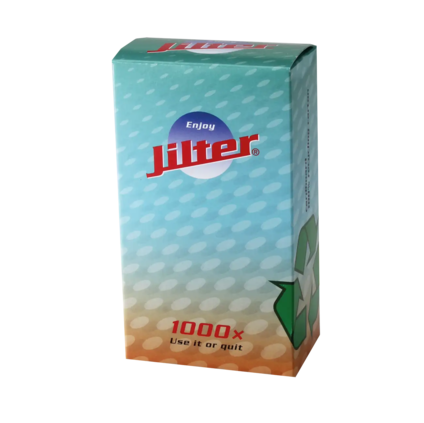
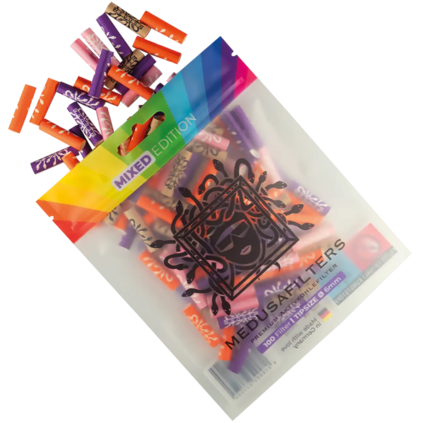
- PU 1x100pc in a Bag
- L 25mm Ø 6mm
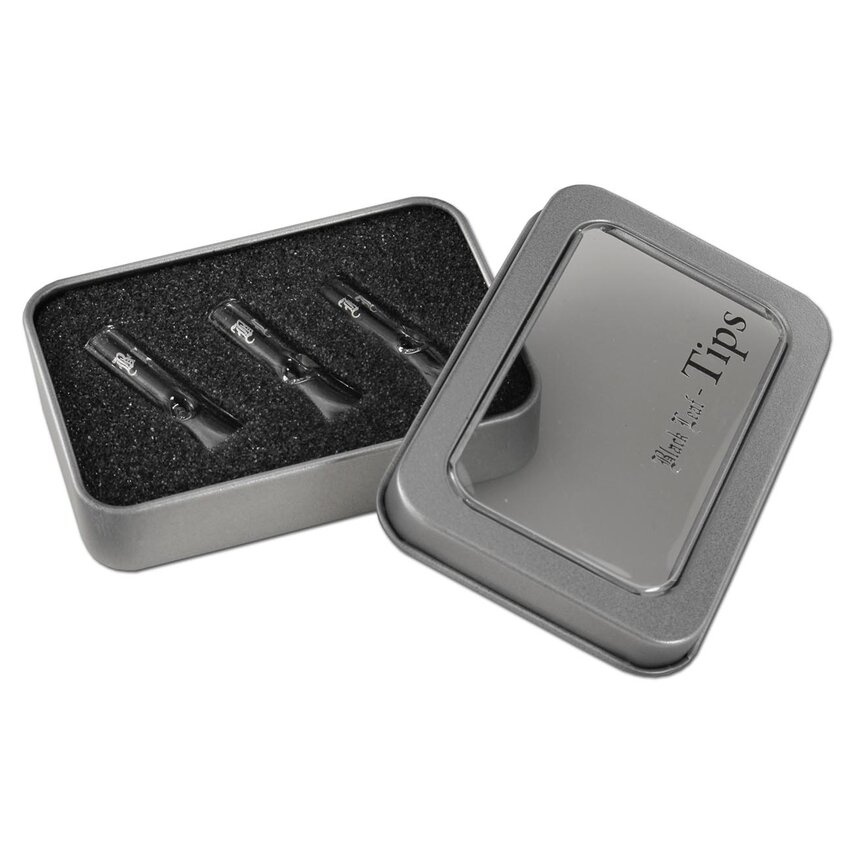
- PU 1Set
- L 37mm
- Ø 7mm inside

- PU 10x50pc
- Ø 7mm
- L 27mm
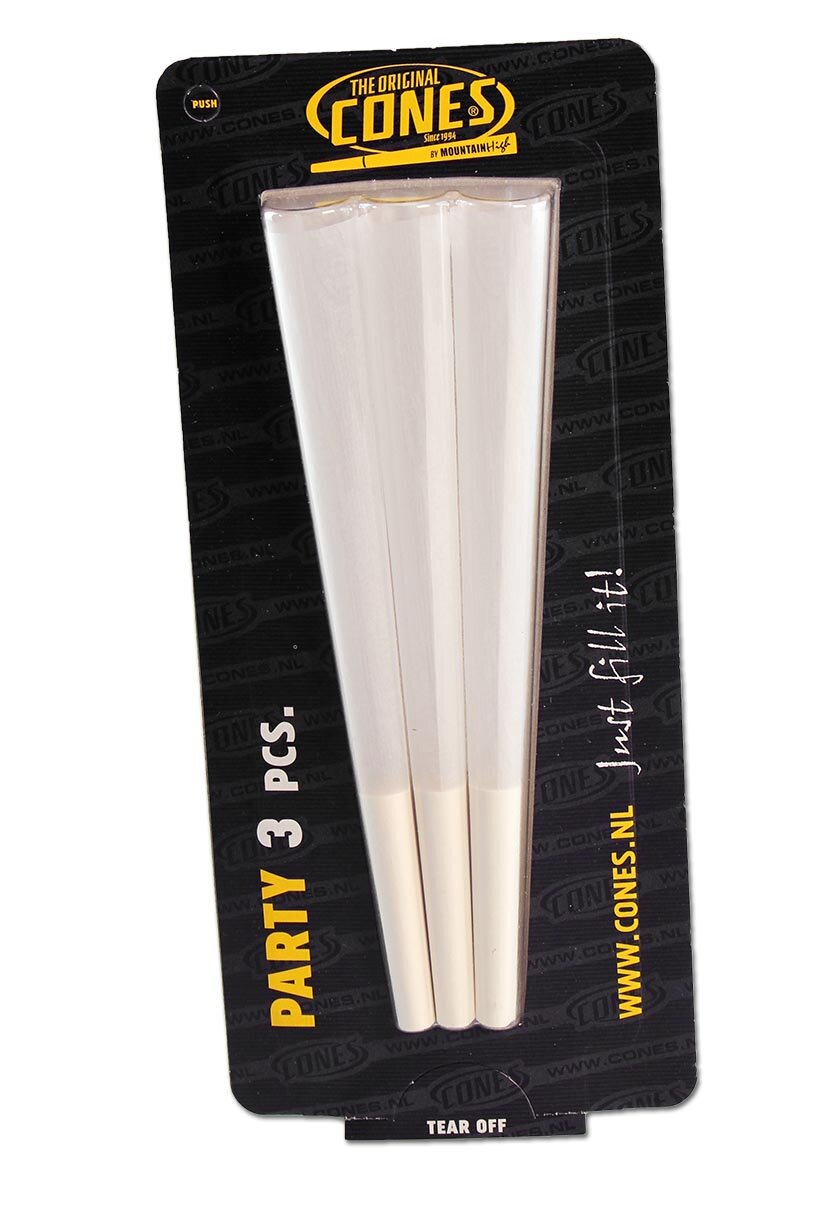
What are longpapers and what differences are there?
Longpapers are the paper used for rolling joints. With a length of usually 100 to 110 mm, they are significantly longer than regular cigaret rolling papers. Long rolling papers were specifically developed for making joints. When choosing the right papers, the format and material are the most important factors.
What types of papers are there for rolling joints?
King and Queen size. The distinction in sizes:
The first industrially manufactured format for cigaret paper
was 78x44mm, which corresponds quite precisely to the still commonly used 1 ¼“
format today. Therefore, connoisseurs also refer to this format as Spanish
size. The term Queen Size is more commonly used.
When the tobacco tax was increased in England, people started smoking smaller
cigarets and producing small papers (69 x 35mm). (Standard Papers, English
Single or Single Wide). Since this format is too small for joints, three papers
were glued together in an L-shape.
Only recently have large formats specifically for joints become available. The
King Size and King Size Slim size with a length of 105 - 110 mm. Increasingly
popular are rolls in King Size and King Size Slim format, with which you can
determine the length of the joint yourself.
Slim papers usually have a width of about 44 mm. They are ideal for pure
smokers, as less paper is burned and smoked. Wider standard papers (up to 55
mm), on the other hand, are perfect if you roll your mixture with tobacco or
additional herbs.
Distinction between unbleached and classic white White:
Classic white papers are often bleached with chlorine. If
you value an unadulterated taste when smoking, opt for unbleached papers.
In addition, there are also papers available in various colorful shades and
flavors if you want to give your joint that special touch.
Distinction of materials and characteristics of papers:
Papers can be made from hemp paper, rice paper, or cellulose
(clear papers).
The material brings different advantages with it. For example, hemp papers are
ultra-thin, and rice paper burns extremely slowly.
What are blunts, cones, and
wraps?
Blunts
Blunts are cigar wraps or papers made from tobacco or
pressed tobacco-free material, sometimes flavored, used for rolling herbs or
herbal blends.
Cones
Cones are pre-rolled blunts with an integrated tip that are easy to fill and pack. Perfect for anyone who doesn't like to roll.
Wraps
Blunt wraps are outer leaves/cigar wraps for rolling joints. The leaves are made from tobacco (or pressed tobacco scraps) or from non-tobacco material and are often filled with herbs.
What else do you need to roll your own joints?
Tips
Tips are small mouthpieces, usually made of paper, without
any filter effect, that prevent the mouth area from being contaminated by
tobacco. They are usually made of paper or glass.
Tips protect against tobacco crumbs and can reduce additional pollutants in the
smoke.
Activated carbon filter
A filter that contains activated carbon. Activated carbon,
also known as medicinal charcoal, is a fine-grained, highly porous carbon with
an extremely large surface area. When passed through, it cleans gasses and
liquids. It is used in medicine, in respiratory masks, and in water
purification.
Activated carbon filters have the advantage that, on the one hand, a large part
of the pollutants from the smoke is filtered out, and on the other hand, the
smoke becomes significantly cooler and gentler. This can minimize coughing and
throat irritation.
And all of this, without losing the effect of the weed!
Rolling Tray
A rolling tray (also called a rolling tray or crumb tray) is
a flat tray with raised edges that serves as a clean work and construction
surface when grinding herbs and subsequently rolling joints. It is practical
for saving material and keeping your surroundings tidy.
Tobacco substitute
An alternative to the health-damaging and addictive nicotine in joints. Tobacco substitute is a nicotine-free mixture that is available in various compositions. For example, from dried herbs, leaves, or flowers.